
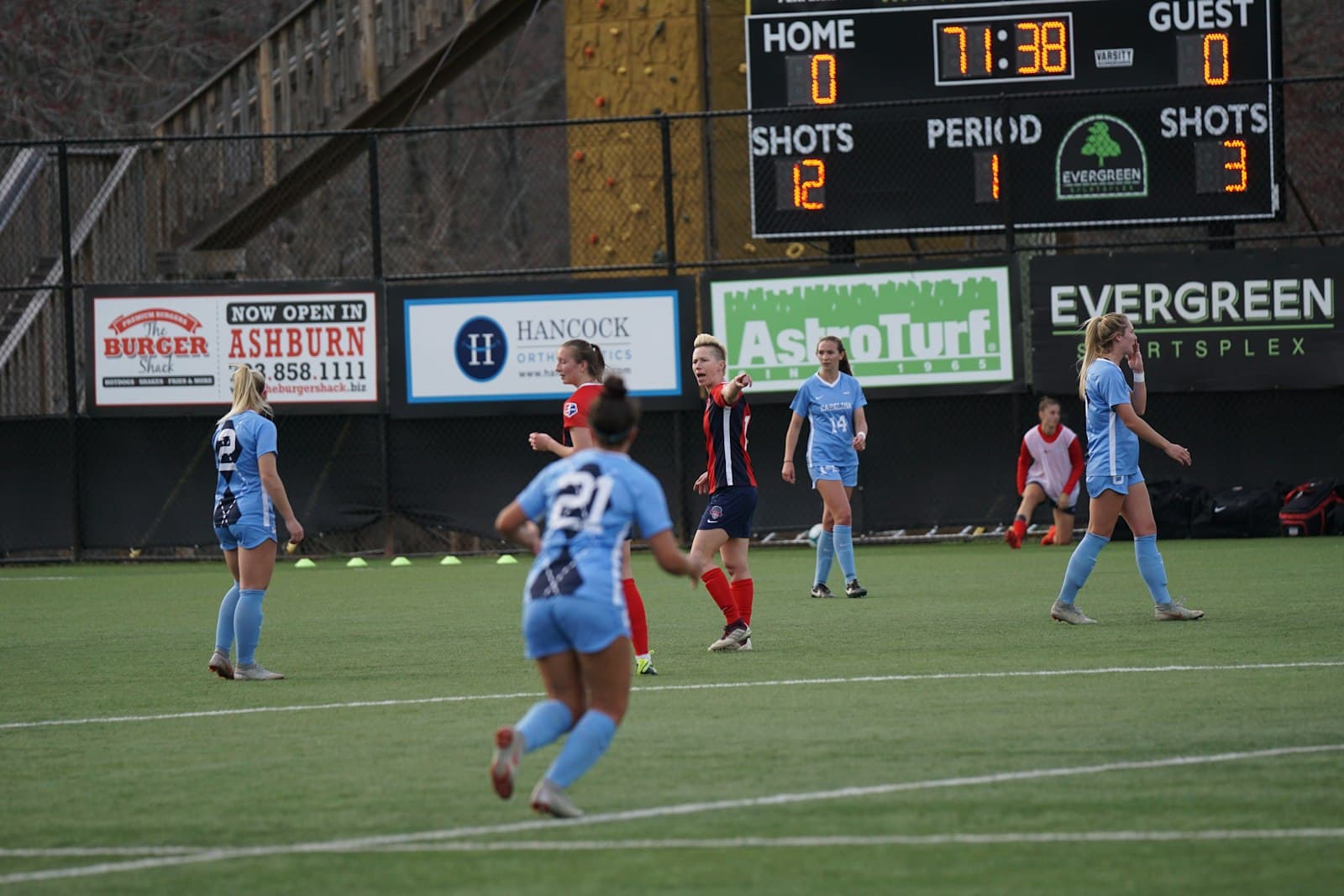
Photo by Jeffrey F Lin on unsplash.com
Youth Coach Scoreboard Workflow: Teach Rules While Tracking Matches
Youth Coach Scoreboard Workflow: Teach Rules While Tracking Matches
For youth sessions, the scoreboard is more than a display. It is a teaching tool. When used well, players learn rules faster, stay engaged longer, and argue less about results.
Why Coaches Should Run Structured Scoring
Young players often struggle with:
- Calling correct score sequence
- Understanding service side changes
- Recognizing game and set end conditions
A visible scoreboard gives constant feedback and reinforces rule learning.
Session Start Routine (3 Minutes)
Before drills or match play:
- Explain the scoring target for the day
- Set player names on screen
- Demonstrate one point update and one correction
- Assign one player assistant to call score
This creates ownership and better attention.
During Practice Matches
Use a simple call-and-confirm loop:
- Point ends
- Player assistant calls score aloud
- Coach confirms and updates
If score is wrong, pause and correct immediately. Do not let errors accumulate.
Progressive Teaching by Level
Beginner:
- Focus on point progression and set goals
Intermediate:
- Add service-side logic and changeovers
Advanced:
- Add pressure scenarios at 18-18 or deuce-equivalent states
Layering concepts prevents overload.
Using Scoreboard for Tactical Learning
Tie tactics to score context:
- Leading by 3: practice safe patterns
- Trailing by 3: practice structured comeback points
- Deciding point: practice first-ball discipline
Players learn decision-making, not only technique.
End-of-Session Debrief
After matches:
- Review one good scoring habit
- Review one common error
- Save one final score image for parents/team channel
Clear recap increases retention.
Common Youth Coaching Mistakes
- Changing too many scoring rules every session
- Not announcing score audibly
- Ignoring serve indicator during teaching
- Resetting match before discussing result
Keep the workflow stable across weeks.
Parent and Club Communication
Share concise updates:
- Match result
- Learning focus of the session
- Next session objective
A saved scoreboard image makes communication clearer and more credible.
Quick Coaching Checklist
Before play:
- Names correct
- Rules target clear
- Assistant assigned
During play:
- Score called every rally
- Corrections immediate
After play:
- Result shared
- One learning point captured
Final Takeaway
When coaches treat scoring as part of training, young athletes improve faster. A repeatable scoreboard workflow builds rule literacy, confidence, and better match behavior across the season.