
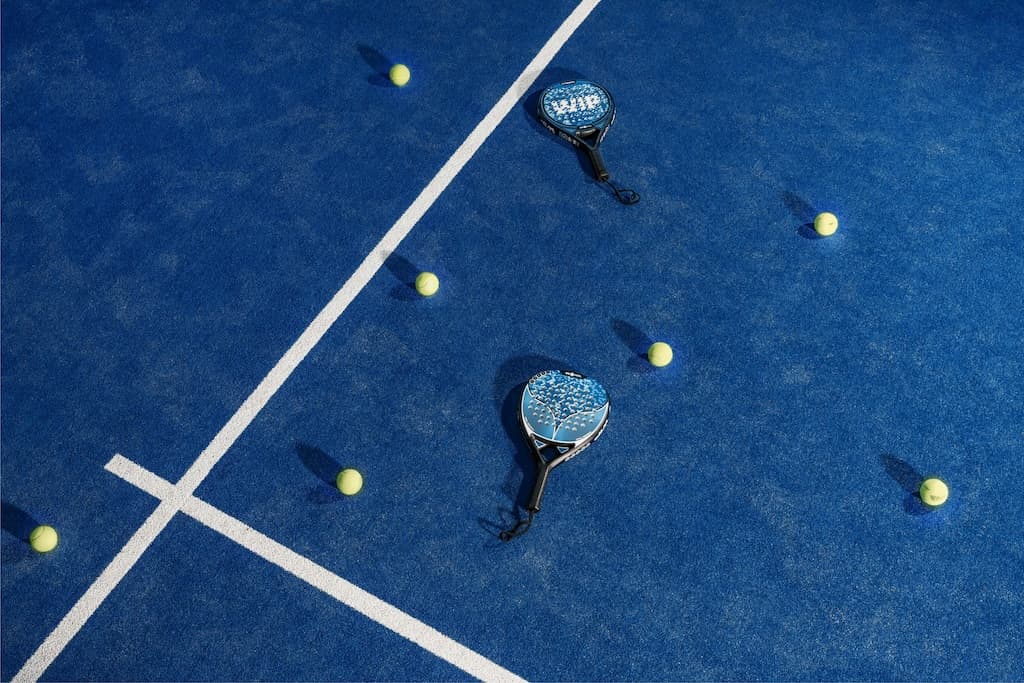
Photo by unsplash
Padel Rules Explained: Complete Beginner's Guide
Padel Rules Explained: Complete Beginner's Guide
Padel is one of the fastest-growing racquet sports in the world, combining elements of tennis and squash in an exciting, social format. If you're new to padel, this guide will help you understand the essential rules and scoring system.
What is Padel?
Padel is typically played in doubles on an enclosed court about one-third the size of a tennis court. The sport originated in Mexico in 1969 and gained massive popularity in Spain and Latin America before spreading globally.
Key Features
- Enclosed courts: Walls are part of the playing area
- Doubles format: Most commonly played as 2v2
- Underhand serve: All serves must be underhand
- No-ad scoring: Simplified scoring system
- Social atmosphere: Emphasis on fun and accessibility
The Court
Court Dimensions
A standard padel court is:
- 20 meters long (66 feet)
- 10 meters wide (33 feet)
- Surrounded by walls: 3 meters high on sides, 4 meters on back
- Net: 0.88 meters high at center, 0.92 meters at posts
Playing Areas
The court is divided into:
- Service boxes: Where serves must land
- No-volley zone: 3-meter area near the net
- Back glass: Wall that balls can be played off
Basic Rules
Serving Rules
- Underhand only: No overhand serves allowed
- Bounce required: Ball must bounce once before hitting
- Behind baseline: Serve from behind the service line
- Diagonal placement: Serve to the diagonal service box
- Net touches: Let serves are replayed
Scoring System
Padel uses a simplified scoring system:
- Points: 0, 1, 2, 3, 4 (no 15, 30, 40 like tennis)
- Games: First to 4 points wins (must win by 2)
- No advantage: At 3-3, next point wins the game
- Sets: First to 6 games wins (must win by 2)
- Tiebreak: At 6-6, first to 7 points wins (must win by 2)
Game Examples
- 4-0: Love game
- 4-1: Easy game
- 4-2: Comfortable game
- 4-3: Close game
- 3-3 → 4-3: No-ad, next point wins
Playing the Ball
Wall Play
The walls are integral to padel:
- Side walls: Ball can bounce off side walls
- Back wall: Ball can bounce off back wall after ground bounce
- No direct wall hits: Ball must bounce on ground first (except on serve)
- Wall sequences: Multiple wall bounces are allowed
Bounce Rules
- Ground bounce first: Ball must hit ground before wall (except serve)
- Single bounce: Only one ground bounce allowed
- Wall bounces: Unlimited wall bounces after ground bounce
- Fence hits: Ball hitting fence is out
Volley Rules
- No-volley zone: Cannot volley in the 3-meter zone near net
- Overhead smashes: Allowed outside no-volley zone
- Half-volleys: Allowed (hitting ball immediately after bounce)
Common Situations
Let Serves
A let occurs when:
- Serve hits net and lands in correct service box
- Receiver isn't ready
- Ball from another court interferes
The serve is retaken with no score change.
Fault Serves
A serve is a fault if:
- Served overhand
- Doesn't bounce before hitting
- Lands outside service box
- Server touches baseline
- Server hits partner's wall first
Out Balls
A ball is out if:
- Bounces twice
- Hits fence before ground
- Hits outside court walls
- Player hits ball outside their turn
- Ball hits player directly
Match Format
Standard Matches
Most padel matches are:
- Best of 3 sets: First to win 2 sets
- Golden point: Some tournaments use golden point at deuce
- Super tiebreak: Some matches use super tiebreak instead of third set
Tournament Variations
Different tournaments may use:
- No-ad scoring: Always used in padel
- Super tiebreak: First to 10 points instead of third set
- Time limits: Some recreational matches have time limits
Strategy Basics
Positioning
Good padel positioning involves:
- Net play: Control the net when possible
- Wall defense: Use walls effectively when defending
- Team coordination: Work with partner's positioning
- Shot selection: Choose appropriate shots for situations
Common Shots
Essential padel shots include:
- Lobs: Push opponents back
- Volley: Take control at net
- Wall shots: Use walls strategically
- Smashes: Attack weak returns
- Drop shots: Soft shots near net
Equipment
Required Equipment
To play padel, you need:
- Padel racquet: Solid stringless racquet
- Padel balls: Similar to tennis balls but less pressure
- Appropriate shoes: Court shoes with good grip
- Comfortable clothing: Athletic wear
Racquet Specifications
Padel racquets:
- Shape: Round or teardrop
- Surface: Perforated solid surface
- Size: Limited by regulations
- Weight: Typically 340-370 grams
Etiquette and Sportsmanship
On-Court Etiquette
Good padel etiquette includes:
- Call scores clearly: Announce score before each point
- Respect opponents: Acknowledge good shots
- Play at reasonable pace: Don't delay unnecessarily
- Handle disputes calmly: Discuss disagreements respectfully
Common Courtesy
- Wait for points to finish: Don't enter adjacent courts
- Return stray balls: Help other courts with their balls
- Control noise: Be mindful of nearby courts
- Follow facility rules: Respect venue policies
Getting Started
Finding Courts
To start playing padel:
- Local clubs: Many tennis clubs now have padel courts
- Dedicated centers: Padel-only facilities
- Public courts: Some cities have public padel courts
- School facilities: Some schools have padel programs
Learning Resources
Ways to improve your padel:
- Take lessons: Professional instruction helps
- Watch professionals: Learn from expert players
- Practice regularly: Consistent play builds skills
- Join leagues: Competitive play improves game
Using Digital Scoreboards
Benefits for Padel
Digital scoreboards like scoriz.com help with:
- No-ad scoring: Automatic point tracking
- Set management: Clear set and match status
- Serving indicators: Know which team serves
- Match history: Track progress throughout match
Padel-Specific Features
Good padel scoreboards should include:
- No-ad scoring: Simplified point system
- Set tracking: Games and sets clearly displayed
- Serve indicators: Which player/team serves
- Match status: Current set and overall match situation
Common Mistakes
Beginner Errors
New padel players often make these mistakes:
- Tennis serves: Using overhand serves
- Wall confusion: Not understanding wall play rules
- Positioning errors: Standing in wrong court positions
- Shot selection: Choosing inappropriate shots
How to Improve
- Learn rules first: Understand before playing
- Start slow: Don't try advanced shots immediately
- Watch others: Learn from experienced players
- Take lessons: Professional instruction accelerates learning
Conclusion
Padel is an accessible, social sport that's easy to learn but offers depth for advanced players. The combination of tennis and squash elements creates unique gameplay that's both fun and challenging.
Key takeaways for beginners:
- Understand walls: They're part of the game
- Master underhand serve: It's required
- Learn no-ad scoring: Simpler than tennis
- Practice positioning: Court position is crucial
- Have fun: Social aspect is important
Whether you're playing casually or competitively, padel offers an exciting racquet sport experience. Use scoriz.com's digital scoreboard to track your matches accurately and focus on enjoying this growing sport.
Ready to try padel? Look for local courts and grab a partner. For more information about padel scoring or our digital scoreboard app, contact us at hi@scoriz.com.