
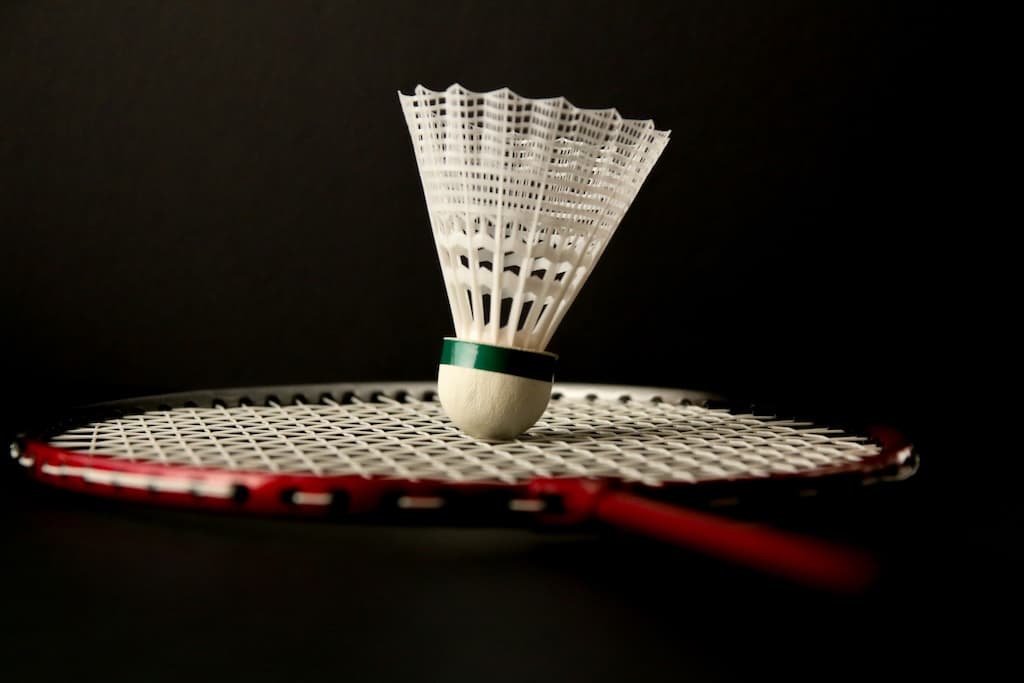
Photo by unsplash
Badminton Scoring Tips: Master the Modern Rally Point System
Badminton Scoring Tips: Master the Modern Rally Point System
Badminton has evolved significantly with the introduction of the rally point system in 2006. Understanding modern badminton scoring is crucial for players at all levels. This comprehensive guide will help you master the current scoring system and improve your competitive edge.
The Rally Point System
Historical Context
Before 2006, badminton used the traditional scoring system:
- Only serving side could score points
- Games played to 15 points (11 for women's singles)
- More complex serving rotations
Since 2006, badminton uses the rally point system:
- Either side can score on every rally
- Simplified serving rules
- Faster-paced, more exciting matches
Modern Scoring Basics
In the rally point system:
- Every rally scores: Winner of each rally gets a point
- 21 points per game: First to 21 points wins
- Must win by 2: At 20-20, continue until 2-point lead
- 2-point margin: No maximum score limit
- Best of 3 games: Match winner wins 2 out of 3 games
Game Structure
Winning a Game
To win a badminton game:
- Reach 21 points: First to 21 points
- 2-point lead: Must be ahead by at least 2 points
- No ceiling: Game continues until 2-point margin achieved
Common game scores: 21-10, 21-19, 23-21, 25-23
Setting at 20-20
When the score reaches 20-20:
- Continue playing: No special "setting" like old system
- First to lead by 2 wins: 22-20, 23-21, 24-22, etc.
- No maximum score: Game continues until 2-point margin
Match Format
Standard badminton matches:
- Best of 3 games: First player to win 2 games
- Third game if needed: If each player wins one game
- Rest periods: 1-minute rest between games, 2-minute at match end
Serving Rules
Service Courts
Badminton has specific service court rules:
- Even score: Serve from right service court
- Odd score: Serve from left service court
- Server's score: Determines serving side
- Doubles: Different serving patterns than singles
Singles Serving
In singles badminton:
- Serve from right: When your score is even (0, 2, 4, etc.)
- Serve from left: When your score is odd (1, 3, 5, etc.)
- Serve diagonally: To opposite service court
- Below waist: Serve must be below server's waist
Doubles Serving
Doubles serving is more complex:
- One server per side: Only one player serves per inning
- Service rotation: Servers change based on who won last point
- Court positioning: Servers switch courts based on score
- No second serve: Only one attempt per point
Advanced Scoring Concepts
Service Rotation
Understanding service rotation is crucial:
Singles:
- Server always serves from one court
- Receiver can return to any court
- Service court changes based on server's score
Doubles:
- Only one player serves per side per inning
- Service court based on serving side's score
- Non-serving players don't switch courts during service
Let Serves
A let occurs when:
- Net cord: Serve hits net and lands in correct service court
- Receiver not ready: Receiver isn't prepared for serve
- Distraction: External interference during serve
The serve is retaken with no score change.
Fault Serves
Common service faults include:
- Above waist: Serve contact above waist level
- Wrong court: Serving from incorrect service court
- Feet on line: Server's feet touching service lines
- Outside sequence: Not following proper service order
Strategic Implications
Rally Point Impact
The rally point system changed badminton strategy:
- Every point matters: No "safe" points when serving
- Aggressive play: More incentive to attack
- Faster games: Shorter game duration on average
- Mental pressure: Every rally has scoring consequences
Serving Strategy
Modern serving strategies include:
- Variety: Mix of serves to keep opponents guessing
- Placement: Target weak areas of opponent's defense
- Deception: Disguise serve direction and pace
- Consistency: Avoid service faults at crucial moments
Game Management
Effective game management involves:
- Score awareness: Know when to attack vs. defend
- Momentum shifts: Recognize and capitalize on momentum
- Fatigue management: Conserve energy during long games
- Psychological warfare: Use scoring to mental advantage
Common Scoring Situations
Close Games
Handling close game situations:
- 20-20 situations: Maintain focus during extended games
- Pressure points: Key points at crucial scores
- Momentum: Small runs can decide close games
- Stamina: Fitness becomes crucial in long games
Match Points
Match point scenarios:
- Game point: 20-0 to 20-19 scenarios
- Match point: Leading 1-0 in games with game point
- Championship point: Final point of final game
- Pressure handling: Mental strength crucial
Error Patterns
Common scoring-related errors:
- Service faults: Losing points on serve errors
- Unforced errors: Giving away easy points
- Poor shot selection: Wrong shots at crucial times
- Mental lapses: Losing focus at key moments
Digital Scoring Benefits
Accuracy Benefits
Digital scoreboards like scoriz.com provide:
- Automatic calculations: No manual score errors
- Service indicators: Clear serving court indicators
- Score history: Track scoring patterns
- Match statistics: Analyze performance data
Badminton-Specific Features
Good badminton scoreboards include:
- Service court indicators: Show correct serving side
- Rally counting: Track total rallies played
- Time tracking: Monitor match duration
- Set management: Clear game and match status
Training for Scoring Success
Mental Training
Scoring success requires mental preparation:
- Focus training: Maintain concentration through long games
- Pressure simulation: Practice high-pressure situations
- Recovery skills: Bounce back from lost points
- Confidence building: Trust your abilities under pressure
Physical Preparation
Physical conditioning for scoring success:
- Endurance: Maintain performance through long matches
- Explosiveness: Quick reactions for crucial points
- Recovery: Fast recovery between points and games
- Injury prevention: Stay healthy for consistent scoring
Common Mistakes
Scoring Errors
Players often make these scoring mistakes:
- Losing focus: Not paying attention to score
- Poor serving: Service faults at crucial times
- Shot selection: Wrong shots for game situation
- Mental errors: Letting pressure affect performance
How to Avoid Mistakes
- Score awareness: Always know the current score
- Serve practice: Develop reliable serve under pressure
- Shot discipline: Choose appropriate shots for situations
- Mental training: Prepare for pressure situations
Tournament Considerations
Professional Scoring
Professional badminton scoring includes:
- Electronic systems: Electronic scoreboards in major tournaments
- Service judges: Officials monitor service legality
- Line judges: Officials call in/out decisions
- Video review: Hawk-eye for close calls
Recreational Scoring
For recreational play:
- Honest calling: Players call their own lines
- Score verification: Confirm scores regularly
- Dispute resolution: Handle disagreements respectfully
- Fair play: Maintain sportsmanship throughout
Improving Your Scoring
Practice Drills
Improve scoring with these drills:
- Pressure serving: Practice serving with game points
- Close game simulations: Practice 20-20 situations
- Fatigue training: Practice scoring when tired
- Mental rehearsal: Visualize successful scoring
Match Analysis
Analyze your matches to improve:
- Scoring patterns: Identify strengths and weaknesses
- Service effectiveness: Analyze serve success rates
- Error patterns: Reduce unforced errors
- Mental performance: Improve focus under pressure
Conclusion
Mastering badminton scoring under the rally point system is essential for competitive success. The modern system creates faster, more exciting matches that reward aggressive play and mental toughness.
Key takeaways for badminton scoring:
- Every rally scores: No safe points in modern badminton
- 21 points, win by 2: Understand game-winning requirements
- Service courts matter: Know correct serving positions
- Mental strength crucial: Handle pressure in close games
- Practice under pressure: Simulate game situations
Whether you're playing casual games or competitive matches, understanding the scoring system helps you make better strategic decisions and improve your overall performance. Use scoriz.com's digital badminton scoreboard to track your matches accurately and focus on playing your best badminton.
Want to improve your badminton scoring? Practice these tips and use digital scoreboards to track your progress. For more information about badminton scoring or our digital scoreboard app, contact us at hi@scoriz.com.