
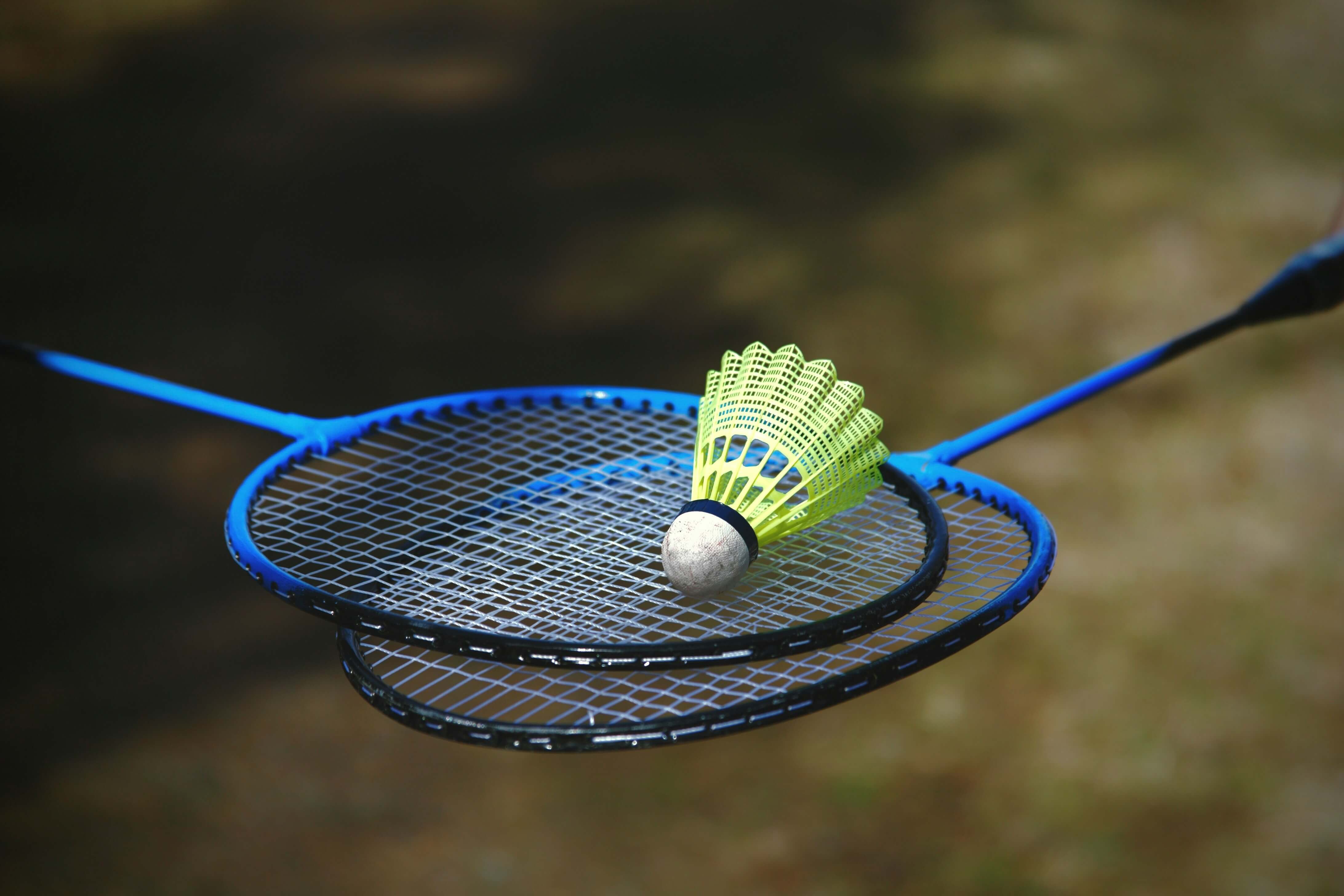
Photo by Allison Saeng on unsplash.com
Badminton Doubles Rotation Mistakes and How to Fix Them
Badminton Doubles Rotation Mistakes and How to Fix Them
In doubles badminton, many teams lose momentum because of rotation confusion, not because of weak strokes. One wrong movement after serve or return can open a full lane for opponents.
This article focuses on common rotation mistakes and practical fixes that work for club and intermediate tournament play.
Mistake 1: Both Players Follow the Shuttle
When both players chase the same shuttle path, the opposite side is left open.
Fix
- Assign responsibilities before each rally
- Front player controls net and mid interception
- Rear player controls deep recovery and pressure
Think in zones, not in shuttle direction.
Mistake 2: Losing Formation After Serve Return
Many teams return serve well but fail to transition into attack or defense shape.
Fix
- If return is tight and low, step in for front-back attack
- If return is lifted or neutral, reset to side-by-side defense quickly
The transition decision should happen immediately after contact, not one shot later.
Mistake 3: Over-Rotating in Flat Exchanges
Fast drive rallies cause panic rotation where players swap positions too often and create timing errors.
Fix
- Keep original lanes during flat exchanges
- Rotate only on a clear lift, forced rear recovery, or obvious tactical signal
Unnecessary rotation is usually worse than delayed rotation.
Mistake 4: No Verbal Cues During Pressure Points
Silence in doubles often leads to hesitation.
Fix
Use short callouts:
MineLeaveUpSwitch
Short words are faster and more reliable than full sentences.
Mistake 5: Server and Partner Misalignment
At 19-19 or deuce phases, teams often forget pre-serve alignment and expose easy returns.
Fix
- Agree target before serve (body, backhand hip, or T)
- Non-server partner commits to first interception zone
- If serve quality drops, switch to safer target and longer rally plan
Pressure points reward clarity more than creativity.
Rotation Cues You Can Train Weekly
Add this 12-minute block to regular sessions:
- 4 minutes: Serve and return transition (attack/defense call)
- 4 minutes: Flat drive lane discipline
- 4 minutes: Late-rally recovery with switch call
Use scoring constraints, for example:
- Point counts only if formation is correct at third shot
This ties movement quality directly to score pressure.
Match-Day Rotation Checklist
Before every doubles match:
- Confirm first three serve patterns
- Confirm two emergency callouts
- Confirm when to force side-by-side defense
- Confirm who takes neutral midcourt on backhand side
Thirty seconds of alignment can save multiple points each set.
Final Takeaway
Doubles rotation is a communication skill plus a spacing skill. If your team defines clear zones, uses short cues, and rotates only on valid triggers, unforced errors drop quickly and pressure rallies become far more stable.